


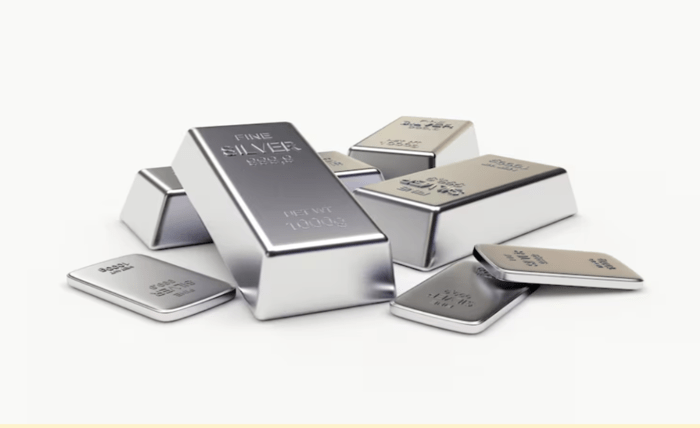
Silver bars may look similar, yet their resale value depends on more than weight alone. Before paying for silver bullion, a buyer should check the serial number, purity mark, refinery name, assay information, storage conditions.
These details connect a specific product to its manufacturer and technical records. They also help dealers verify the bar faster when the owner decides to sell, transfer, insure, or redeem it.
Why a Serial Number Matters
A serial number is a unique identifier assigned to an individual bar. It separates that product from other bars of the same weight and refinery.
The number may appear directly on the metal, on the assay card, or in both places. A matching number creates a clear link between the bar and its certificate. If the numbers differ, the product requires further verification before purchase.
Serial numbers also support ownership records in professional vaults. A provider can show which bar belongs to a client, where it is stored, and when it entered or left the facility.
OGold users can view their silver, vault location, and serial numbers through the app. Its silver products are fully allocated and stored in DMCC-licensed vaults, with independent Bureau Veritas audits.
Why You Should Check on an Assay Record
An assay confirms the metal content and purity of a bullion product. Investment-grade silver bars commonly carry a fineness mark such as 999, which means the product contains 99.9% pure silver.
A complete assay record should match the physical bar. Buyers should compare every visible detail before confirming an order or accepting delivery.
A certificate does not replace the bar itself, but it supports its identity and stated purity.
Refinery Identification Supports Resale
Recognised refineries follow defined production and quality-control procedures. Their products are easier to identify because the weight, markings, dimensions, and packaging follow established specifications.
The refinery name should be clearly stamped on the bar and repeated on the assay card. Buyers should avoid products with unclear logos, spelling errors, altered surfaces, or incomplete manufacturer details.
OGold lists silver bars with 999 fineness, serial numbers, and assay records. Its products are sourced from accredited refineries and offers bars in sizes from 10 grams to 1 kilogram.
Recognition affects liquidity. A well-documented bar from a known refinery usually requires fewer checks than an unbranded product with no supporting certificate.
How Professional Vault Storage Preserves Bullion Value
Physical silver is highly sensitive to environmental factors. Exposure to oxygen, moisture, and everyday pollutants can cause tarnishing (oxidation), which, along with scratches or torn assay packaging, can diminish a bar’s resale value.
Storing silver in a professional, climate-controlled vault eliminates these risks by maintaining optimal temperature and humidity levels. Furthermore, professional vaults keep the metal within an unbroken “chain of integrity.” Because the bullion remains in a secure, audited facility, it is protected from physical wear and tear.
When the owner decides to sell, silver held in such verified vaults can often be liquidated instantly at full market value without requiring expensive, time-consuming re-testing.
Keep Records Ready for Future Resale
A complete bullion file should include:
- serial number that matches the number stamped on the bar;
- stated weight in grams, kilograms, or troy ounces;
- silver fineness, commonly marked as 999;
- refinery or mint name and official logo;
- assayer signature or certification mark where applicable;
- product dimensions and identifying design details;
- certificate condition and absence of unauthorised changes.
OGold combines these ownership details with allocated vault storage and app-based account access. Buyers can review products from accredited sources, track their holdings, and retain records that support verification when they later sell or request physical delivery.