


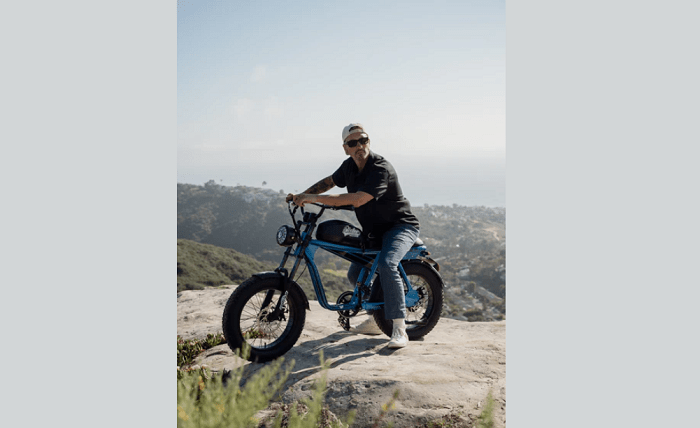
If your e-bike glides without squeaks or vibrations, every mile feels faster, safer, and more fun. This guide shows exactly how to keep things quiet and smooth, starting with easy steps for an electric bike for beginner and building toward expert-level polish, so you can ride better tonight, not “someday.”
Why smooth and quiet matters
Friction and misalignment create sound you can hear and watts you can’t use. A silent drivetrain wastes less power, so the motor feels stronger and the battery lasts longer. True wheels and well-inflated tires roll straighter and cushion small impacts, which keeps the entire bike calmer. Quiet brakes indicate even pad contact and consistent rotor surfaces; they also mean no hidden rub stealing speed. For an electric bike for beginner rider, these wins compound: the bike feels predictable, and you focus on the ride—not the rattle.
Your weekly ritual
Set the bike on a stable surface, remove the battery, and wipe the frame and wheels with a damp microfiber cloth. This lifts grit before it grinds into parts.
Spin each wheel and listen; a faint “shhh” from the pads is okay, but scraping or pulsing needs attention.
Squeeze both brake levers to confirm a firm feel. Check tire pressure against the sidewall range and aim for the middle to start, adjusting a few PSI up for efficiency or down for comfort next ride.
Finish with the chain: backpedal through a clean rag, add one small drop of lube to each link, backpedal twenty turns, then wipe off the excess. That last step is the difference between a glossy drivetrain and a dirt magnet.
The monthly deep clean that kills creaks
Plan forty minutes. Degrease the chain and sprockets with a bike-specific cleaner and a soft brush; rinse gently and dry completely before relubing.
Clean brake rotors only with isopropyl alcohol, never household degreasers that leave film.
Pull the seatpost, wipe it, and apply the correct assembly paste or a whisper of grease depending on material; reinstall to the marked height and torque to spec.
Inspect cables and housing for kinks or fray and make sure the bars turn freely without cable “snag.”
With the wheels off the ground, tug side-to-side at 12 and 6 o’clock: any clunk suggests a bearing or axle service is due.
Silence from the drive system
Most drivetrain noise is either dryness, dirt, or poor alignment. If shifting clicks under load or the chain chatters at certain gears, the derailleur hanger may be slightly bent.
A shop can realign it in minutes, and the sound vanishes.
Choose lube for your climate, dry formulas for dusty seasons, wet for persistent rain, and resist the temptation to overapply; a thin film is quiet, a thick coat is sticky and loud.
If links look orange, stiff, or stretched past the brand’s wear limit, replace the chain before it chews through the cassette. A fresh chain is the cheapest speed you can buy.
Brakes that stop without squeal
New pads and rotors need a proper bed-in. On a safe, flat stretch, accelerate to a moderate speed, brake to a walking pace, and repeat a dozen times. This lays down an even transfer layer and prevents shriek.
If a soft rub persists, loosen the caliper bolts slightly, squeeze the lever to center the caliper on the rotor, and tighten while still holding the lever. Keep fingertips off rotor surfaces; skin oils cause glazing and noise.
If contamination happens, lightly scuff the pads with fine sandpaper and clean the rotors again with alcohol.
Wheels and tires: instant smoothness
Tires below the recommended range feel sluggish and are prone to pinch flats; far above it, they buzz and transmit chatter. Start near the midpoint, then fine-tune by ride feel and terrain.
Replace tires when the center tread squares off or threads show; fresh rubber often feels like you upgraded the suspension. A random “ting” as you roll can be a loose spoke; don’t crank it at home unless you’re confident, ask a shop for a quick true and tension check.
Straight wheels equal smooth rides and quiet brakes.
Battery and electronics care that protect performance
Keep everyday charge levels between roughly 20% and 80% when you can, and give the battery a full balance charge as your manufacturer recommends.
Store it indoors at moderate temperatures and reinstall it only when the contacts are clean and fully dry. Avoid high-pressure water around ports, displays, and the controller.
Many systems allow firmware updates that improve assist behavior or diagnostics; include that check in your seasonal service.
Common noises and fast fixes
A rhythmic click that speeds up with pedaling usually points to a dry chain link or a pedal that needs snugging. A creak that appears only when you push hard often comes from the saddle rails or seatpost interface—clean, apply the correct paste or grease, and retorque. A steady “whirr” with light vibration at speed can be an unevenly worn tire or a slightly bent rotor. The fix is targeted, not heroic: isolate where the sound lives, then adjust, clean, or replace just that part.
Model spotlight: Qiolor Tiger JR for easygoing performance
If you want your maintenance to pay off on every commute or campus run, the Qiolor Tiger JR is a smart, confidence-building pick for an electric bike for beginner.
It pairs a 48V 500W rear hub motor with 750W peak for brisk city acceleration, backed by 63 N·m of torque.
With the 48V 10Ah removable battery, the Tiger JR is rated up to 55 miles on pedal assist or about 32 miles on throttle-only riding, and it tops out around 24 mph—plenty for keeping up with traffic on neighborhood arterials.
Mechanical disc brakes from LOGAN provide predictable stopping, an EXSHO suspension fork and 20×4.0 CHAOYANG fat tires smooth out broken pavement, and a bright 48V 10W (160 LUX) LED headlight with an integrated horn boosts both safety and style.
The bike is single-speed for simplicity, uses a G51 LCD for at-a-glance control, supports riders from about 5’1″ to 5’9″, and carries up to 400 lbs while weighing roughly 87 lbs.
A simple schedule that keeps it silent
Think of your maintenance like brushing your teeth. Weekly, do the wipe-down, tire pressure check, chain clean and lube, and a quick bolt touch on the cockpit, racks, and fenders. Monthly, complete the deeper clean, rotor and pad service, cable inspection, and a wheel spin test for trueness. Quarterly, book a shop visit for a full drivetrain wear check, wheel true, bearing inspection, and any firmware updates. Seasonally, refresh tires and pads before they’re fully worn so performance never dips.
Final word
Smooth and quiet isn’t luck; it’s a handful of repeatable habits. Start with the weekly ritual and you’ll feel a calmer bike immediately. Keep up with the monthly and quarterly touchpoints and you’ll preserve range, speed, and safety while preventing big repairs. When it’s time to put those good habits to work on a compact, stylish ride, the Qiolor Tiger JR delivers easy upkeep, approachable power, and the kind of hush that makes every mile feel premium.