


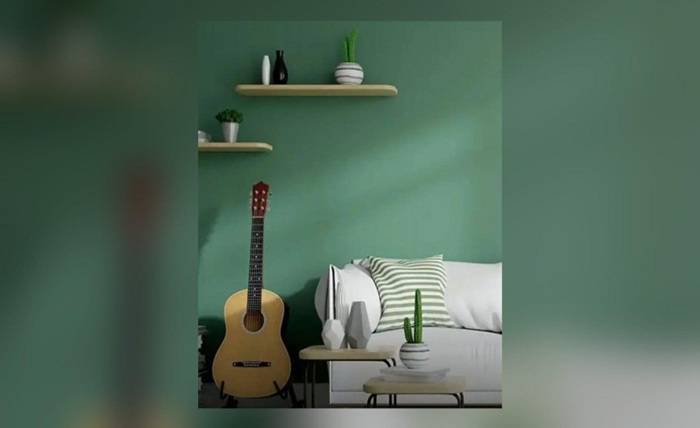
The sitting room is often the first space you notice when you walk through the front door, so its colours set the tone for the rest of the home. A fresh coat of paint can change that feeling, whether you want the room to feel brighter, more relaxed or a little more dramatic.
Looking ahead to 2027, earthy greens, warm neutrals and muted blues offer interesting directions to explore. Picking the best living or sitting room color combination depends on your room’s natural light, wall space and ceiling design. Let us look at some pairings you can consider before your next home makeover.
Which Neutral Colour Combinations Will Suit Sitting Rooms in 2027?
Neutral shades remain a practical choice for sitting rooms because they work with different décor styles and are easy to update over time. For 2027, warmer neutrals and earthy undertones become a way to move beyond plain white walls.
Warm Beige and Off-White
Beige and off-white make a sitting room feel light without looking stark. Use beige across the main walls and off-white around the ceiling or adjoining areas for a subtle difference between surfaces. Wooden accents, textured cushions and linen curtains can add interest without introducing too many colours.
If you’re planning a new modern pop plus minus design, this pairing can also complement layered ceiling details and recessed lighting without competing with the rest of the room.
Greige and Soft Brown
Greige, a mix of grey and beige, works well for homes that need a neutral shade with a little depth. Pair it with soft brown on a feature wall or around the TV unit. This combination suits wooden furniture, tan upholstery and warm lighting. In a smaller sitting room, keep the brown to one section so the overall space doesn’t feel too dark.
Which Nature-Inspired Colour Combinations Can Refresh a Sitting Room?
Nature-inspired shades bring colour into a sitting room without making the walls feel too loud. Sage green, muted blue and earthy tones are useful options to explore for 2027, especially if you want a change from the usual all-neutral palette.
Sage Green and Cream
Sage green has a muted quality that makes it easier to use across a living space. Try it on the wall behind the sofa and keep the remaining walls cream. The contrast is noticeable but not sharp, and it works well with wooden furniture, cane details and indoor plants. If the room is small, a single sage accent wall may be enough.
Muted Blue and Warm Beige
Muted blue brings a cooler note to the room, and warm beige keeps it from looking too cold. This pairing can suit a sitting room with good daylight, light-coloured upholstery or simple wooden accents.
You could use beige on the main walls and introduce blue behind a reading corner or TV unit. Check the blue shade in the evening, too, since artificial lighting can make some tones look greyer or darker than expected.
Will Deeper Colour Combinations Be a Good Choice for Sitting Rooms in 2027?
Yes, deeper colour combinations can be appropriate for sitting rooms in 2027, particularly if you want to go beyond an all-neutral look. In such cases, it is best to use rich shades where they add depth and contrast.
Olive Green and Light Beige
Olive green brings an earthy depth to the walls, and light beige prevents the overall look from feeling too dark. Try olive green behind the sofa or on a wall near the entrance, with beige on the remaining surfaces. This pairing can go with both contemporary apartments and larger family homes.
Deep Blue and Pale Grey
Deep blue creates a strong focal point on the wall behind a TV setup or seating area. Pale grey softens the contrast and gives the room a lighter backdrop. This combination tends to work best when the sitting room gets enough natural light. If the space is compact, use blue on just one wall and keep the ceiling light.
What Should You Consider Before Choosing a Sitting Room Colour Combination?
Before settling on a colour combination, look at how your sitting room is used, how much light it gets and which existing features you want the paint to complement.
- Room size– Lighter shades can help a compact sitting room feel more open. Similarly, deeper colours work well as accents.
- Natural light– Check paint samples in daylight and under your usual evening lights, as shades can look significantly different.
- Furniture and flooring– Your sofa, curtains, flooring and wooden finishes have to be taken into account before choosing wall colours.
- Ceiling design– If you have a POP ceiling, make sure its colour and lighting work with the walls.
- Everyday upkeep– Mid-tones may hide minor dust better than very light shades.
Conclusion
For sitting rooms in 2027, warm beige, soft green and earthy shades could be good options to try. If you prefer darker colours, olive and navy can work too, particularly on one wall rather than across the entire room. But don’t pick a shade just because it’s trending. Think about how much sunlight your sitting room gets, the colour of your sofa and even the flooring.
Try a small patch of paint first and check it in the morning and evening. You may find that a colour you liked in the shop looks quite different at home.