


Lyric pages sell one printed verse before they sell a mood. A karaoke still that already shows two lines will get screenshot if the clip invents a third. That is why an ai photo to video pass only helps a lyrics desk when the motion leaves the filed type alone.
The page already transcribed the song. The still already locked the two lines the editor approved. Motion that blooms a new sentence across the chorus card turns that page into a different lyric. The failure is not a soft camera drift. The failure is a false verse readers will paste into the comments.
Karaoke Cards Sell The Printed Verse First
A lyrics site already treats the still as a claim. The card says two lines. The article under it types those same words. Readers compare the clip with the stanza they came to check. If generated motion adds a bridge the page never published, the site is advertising a song it did not transcribe.

Editors already know this from still retouching. They reject a crop that cuts a word in half. They reject a color grade that hides a misspelling they already fixed. Motion makes the same lie easier to miss, because the first frame looks like the approved card. The extra sentence only shows when someone pauses, or when a commenter posts a still from the last hold.
The useful reject is local. Pause when the camera eases in and hold that frame next to the article text. If a singer could read a third line from the clip and not from the page, the file is a false lyric. Delete it before it reaches the video embed.
Readers Compare The Clip With The Stanza
Readers do not grade cinematic camera language on a lyrics page. They grade whether they can sing the line. If the clip and the article disagree, post the still. A still that matches the text is safer than motion that invents a bridge. The comment thread will not wait for a typeset redraw. It will treat the extra line as the transcript.
Printed Lines And Generated Lines Diverge Fast
Refresh days are not studio days. The new still arrives as one PNG from the designer. Last month’s card still sits in the CMS because it converted. Someone asks for a short hover so the lyrics page does not look dead next to a rival that already posted motion. The cheap shortcut is to animate the old card and hope the article text will save it.
The old card is a different claim. A three-line still cannot carry a two-line transcript, even if the font looks close. The two-column split below is the only comparison the desk needs before anyone writes a prompt.
| Printed line on the filed card | Line the generated hold tried to show |
| Stay in the doorway until the last bar | Stay in the doorway until the last bar, I will wait |
| Two lines, title mark, no chorus stamp | A third sentence plus a stamp the page never set |
If the article changed, reset the type. If the article is stable and you only need motion, generate from that card. If you need a word, type it in the article. The workspace cannot remember the radio edit you already cut.
A New Sentence Is A Different Song
A letter that blooms into a second word is a wrong song. Timestamps on a karaoke bar are the same class of claim. A 0:12 that smears into 0:18 is not a style choice. Leave timing in the page. The clip can show the paper texture or a light drift. It cannot renegotiate the bar. Keep the verse in the article a human typed.
Keep The Free Model Off New Verses
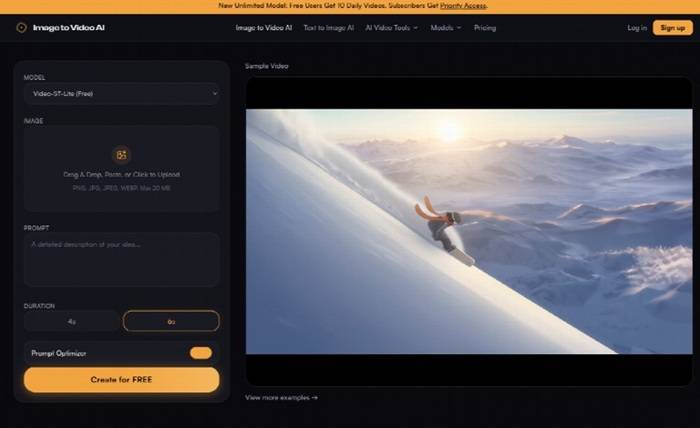
The public workspace lists Video-ST-Lite as the Free model and MiniMax H3 as the Paid model. Leave the paid pick for a card that already holds, if the desk has it. On a lyrics pass the job is not a model tour. The job is to stop a prompt from writing new words. Lock the still first. Same two lines, same title, same artist mark.
The prompt may ask for a slow drift across the card or a light slide over the background. It may not ask the model to “show the next line,” “add the chorus,” or “make the lyric complete.” Text to video is fine for empty stage light that never claims to be this song. The moment the page names a verse, the still does the legal work and the prompt only moves the camera. An ai photo to video pass is useful on that path because the card stays the source.
Duration on the same panel is 4s or 6s. Pick one and stay there. This article stays on the model writing a verse the page never typed, not on stretching time.
Switching Models Will Not Restore A Cut Line
Image to Video AI starts Free users on Video-ST-Lite. On a two-line karaoke card that is often enough to test whether the type survives. Switching to MiniMax H3 to “get a richer chorus” is how a third line appears. If the still is the wrong edition, stop. A different model will not restore the line you already cut. Replace the PNG. Then generate.
Image to Video AI will keep answering if you keep sending last year’s radio-edit card. The editor has to refuse the extra pass. The published steps are short once the still is honest. Upload the PNG, JPG, JPEG, or WEBP, max 20 MB. Add a prompt that names the camera, not the missing lyric. Click Create for FREE or generate. Preview. If a third line appears, the file does not go to the embed.
Count The Lines On The Karaoke Card
Write the line count in the ticket before anyone asks for camera language. Two lines, no chorus stamp, no extra hyphen. After the clip renders, count again. A third sentence that appears as the camera turns is a reject, even if the first frame was clean. The same count applies to artist names and song titles on the card. Those marks are how a reader tells two uploads apart.
If the still is soft, sharpen the PNG. Do not ask the model to “make the words clearer.” Clarity that invents a line is worse than a soft still. If the still already shows the two lines, crop the smallest type out of the motion source rather than hoping the model will hold the letters.
- Count the printed lines on the approved card and write that number on the ticket.
- Pause the opening frame and count the same sentences.
- Pause the midpoint after the camera has moved and count again.
- Hold the last frame and count a last time before the embed goes live.
Soft Type Beats A Generated Extra Verse
Write one motion sentence: slow push across the existing two lines, no new text. If the desk rewrites the song after the still is loaded, they have left the transcript file. That is a different commission. Image to Video AI is a short-clip workbench on this path, not a transcriber. It can add a little camera move when a lyrics page needs to look alive. It cannot be asked to invent the next line.
The Chorus That Appeared After Generate
The card that left the designer held one chorus the page had already typed: “Stay in the doorway until the last bar.” The article under it repeated those same words. No third sentence. No extra stamp. That was the filed lyric.

The last hold after generate showed a second sentence the transcript never carried: “Stay in the doorway until the last bar, I will wait.” The first frame had looked clean. The extra clause arrived as the camera eased in. A reader who only watched the hover would swear the page had published both lines.
That pair is the whole argument. The before line is the claim. The after line is a different song. No table is required once both sentences are sitting in the same review note. The embed does not go live.
Comments And Screenshots Catch The Extra Line
The public cost arrives in the comments, not in a style meeting. Someone posts a screenshot of the last hold. Someone else types the third line as if it were the official verse. The lyrics editor then spends the afternoon unsaying a bridge. Image to Video AI did not write that comment thread. The extra pass that used the old card did.
This fits a lyrics editor who owns the stanza, not a trailer desk that wants a reel of impossible choruses. Readers will forgive a static card. They will not forgive a verse they were shown and then denied.
The workspace will keep rendering if you keep sending the file. The person who publishes the lyric still has to count lines, then watch the screenshots, before anything goes live.