


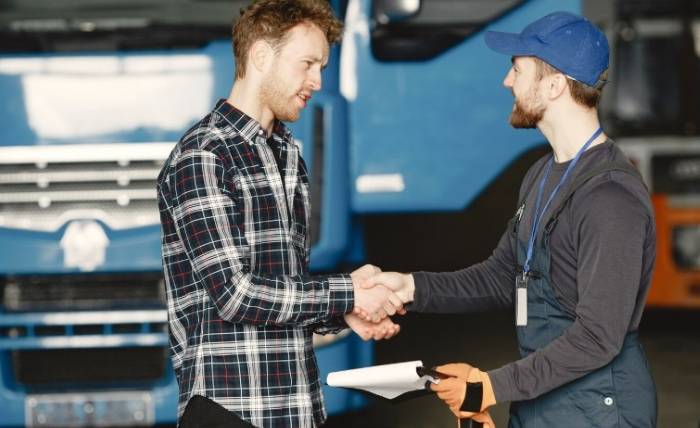
Landing a job as a truck driver in Europe isn’t just about finding the right job opening. You also need to confirm your qualifications, get your paperwork in order, and understand the rules governing international freight transport. Attending a truck driving school in Poland for foreigners can be a great first step for those planning to start or continue a career in logistics.
Where to train and prepare for long-haul routes
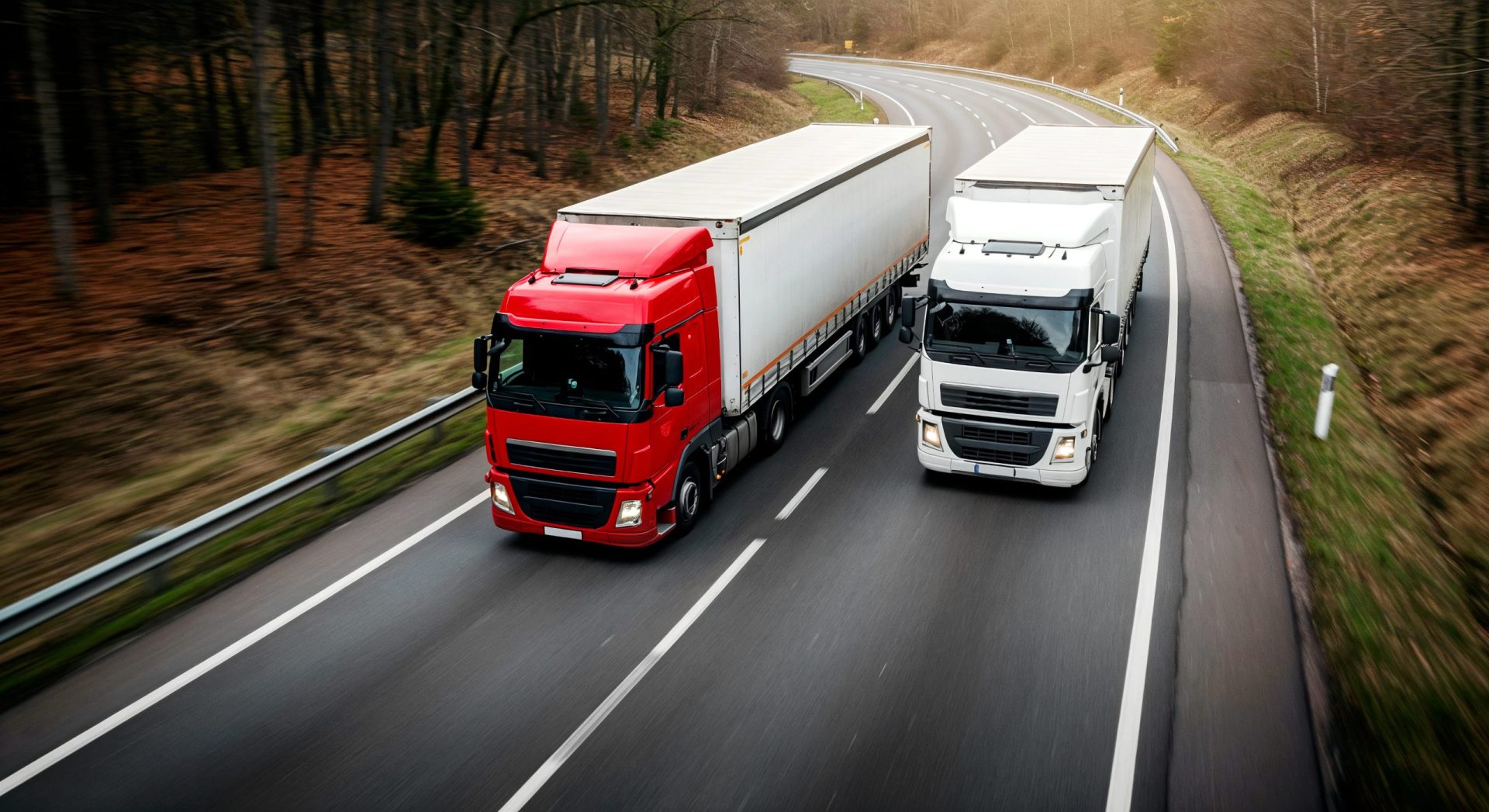 A Polish truck driving school for foreigners helps you master the operation of commercial vehicles within the appropriate license categories. Driving a heavy goods vehicle requires a Category C license, while driving a tractor-trailer or semi-truck typically calls for a Category C+E license.
Commercial driving schools in Poland often offer extra practical training for drivers who want to gain more confidence behind the wheel. Hands-on sessions in a truck help drivers sharpen their skills in maneuvering, parking, reversing, and handling combination vehicles. This is especially useful for drivers who haven’t been behind the wheel in a while or are just starting on international routes.
It’s important to note that training and legally earning your commercial driver’s license are separate steps. If a driver already holds the required license category, they may not need a full driving course—just extra behind-the-wheel practice or professional qualification modules.
Driver CPC and employment documents
The European Driver CPC card verifies a driver’s professional qualifications and is mandatory for commercial freight transport across EU countries. To obtain it, drivers must complete the required training and meet standard requirements.
To work in commercial trucking, you will also typically need:
● Category C or C+E driver’s license
● Digital tachograph driver card
● Medical certificates
● Documents confirming legal right to work
Additionally, you might consider ADR training if you plan to haul hazardous materials. Dangerous goods transport requires specialized certification. While it expands your job options, it does not replace your core driver’s license or basic qualifications.
Transitioning from training to the job
If you’re just starting your trucking career, look for job offers that include supplemental practical training and support during your onboarding into international routes. Experienced drivers usually just need to find a position matching their license category, trailer type, routes, and desired schedule.
Before signing a contract, make sure you understand who your employer is, where the routes run, how pay is calculated, and who handles the necessary paperwork. You should also clarify work-and-rest schedules, trip duration, and home-time conditions in advance.
This approach helps you avoid unnecessary training expenses and ensures you prepare the exact documents needed for your chosen job.