


Protecting off-grid kits from theft starts with making equipment difficult to remove, easy to monitor, and less visible to passersby. Solar panels, batteries, inverters, and controllers can be valuable targets, especially at remote cabins, sheds, and work sites. Combine secure mounting, locked enclosures, access control, and monitoring rather than relying on one measure alone. Choose safeguards that suit the site without blocking ventilation, maintenance, or emergency access.
Secure Solar Panels and Equipment With Strong Mounting
Use Tamper-Resistant Bolts and Security Fasteners
Use tamper-resistant bolts, security screws, and fasteners that require specialist tools to remove. Select corrosion-resistant hardware rated for the mounting surface and outdoor conditions. Tighten fasteners to the manufacturer’s specifications, and inspect them periodically for looseness or damage. Security hardware slows opportunistic theft, but it works best when paired with sturdy brackets and a mounting structure that cannot be removed easily.
Anchor Batteries and Inverters to Fixed Structures
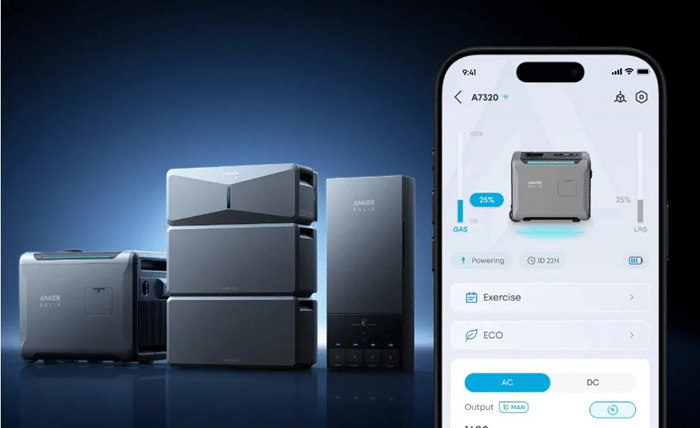
Secure batteries and inverters inside a locked utility area or attach them to a substantial fixed structure using approved brackets. Keep equipment stable and follow manufacturer instructions for mounting, ventilation, fire safety, and service clearances. Avoid drilling into battery cases or modifying enclosures. For an Anker E10 Off-Grid Kit, plan the storage and mounting arrangement around the actual components and installation guidance.
Install Solar Panels in Less Accessible Locations
Place panels on a roof or within a controlled area when site conditions and safe maintenance access allow. Avoid locations visible from public paths where practical, but never compromise sunlight exposure, roof capacity, or safe servicing. Secure ladders and access gates, and keep panel wiring protected. A less accessible installation can deter casual theft while still allowing routine inspection and cleaning.
Add Physical Barriers and Lockable Enclosures
Store Batteries and Controllers in Lockable Cabinets
Store batteries, controllers, and small electrical accessories in a lockable cabinet or dedicated equipment room. Choose an enclosure suitable for the environment and provide the ventilation and clearances required by each component. Use a robust lock and limit keys or access codes to trusted people. Do not seal heat-producing equipment in an airtight box or obstruct disconnects and emergency controls.
Install Fencing and Restrict Access to Equipment Areas
Use fencing, locked gates, and clear access rules to protect equipment areas at remote properties or larger installations. Position barriers to discourage casual entry without obstructing emergency routes, farm operations, or maintenance vehicles. Add lighting where it improves visibility, and check gates after storms or site visits. Fencing is a deterrent, not a substitute for secure equipment mounts and monitoring.
Protect Outdoor Components With Weatherproof Security Boxes
Use weatherproof security boxes for outdoor controllers, disconnects, connectors, or other components designed for enclosure installation. Select a box with appropriate environmental and impact ratings, secure its mounting, and use compatible cable glands. For a battery backup for home system, ensure the enclosure protects electrical components while allowing adequate ventilation and heat dissipation, especially around batteries and inverters. A locked enclosure should deter unauthorized access without trapping heat or preventing safe servicing.
Use Cameras, Alarms, and Remote Monitoring
Install Motion-Activated Cameras Near Solar Equipment
Position motion-activated cameras to cover equipment access points, gates, and likely approach routes. Aim them to capture useful views of panels, cabinets, and vehicle access without recording neighboring private spaces unnecessarily. Check night visibility, weather resistance, storage capacity, and connectivity at the site. Mount cameras high enough to discourage tampering, but keep lenses clear and test alerts regularly.
Set Up Alerts for Unexpected Movement or Power Loss
Configure alerts for unexpected movement, enclosure opening, system shutdown, or sudden power loss when your monitoring equipment supports them. Set notifications to reach someone who can respond, and test them periodically rather than assuming they work. A power-loss alert can also indicate a fault or weather damage, so review the context before concluding theft occurred. Keep backup communications available where connectivity is unreliable.
Use GPS Trackers for Portable Off-Grid Components
It is recommended that you think about purchasing a discrete GPS tracker or a gadget that has built-in location tracking if it is supported for portable panels, batteries, or power stations. Confirm the network’s coverage, the battery life, the criteria for the subscription, and whether or not the tracker can report from the location. Ensure that it is concealed and secured without obstructing signals or compromising airflow. Although tracking may be helpful in locating stolen equipment, it cannot guaranty that it will be recovered. It is important to record serial numbers and maintain evidence of ownership.
Conclusion
A strong theft-prevention plan combines secure fasteners, anchored equipment, locked enclosures, controlled access, and monitoring. Start with the most exposed or expensive components, then add safeguards suited to the site and its connectivity. For a battery backup for home setup, protect the battery and inverter while keeping required ventilation and emergency access clear. Keep serial numbers, photos, and installation records available, and inspect security measures routinely.