


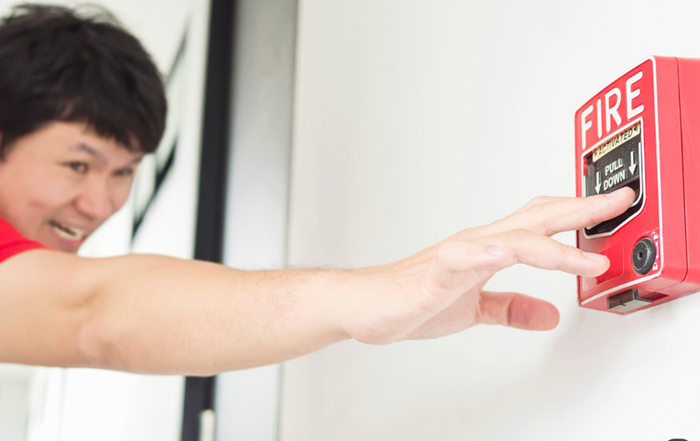
Modern homes are more comfortable and more connected than ever. They are also packed with things that can start a fire: laptops charging overnight, lithium-ion batteries in e-bikes, air fryers, space heaters, and extension boards carrying more load than they were meant to. Open-plan layouts and synthetic furnishings let a small flame spread faster than it used to.
Making your home safer doesn’t have to be expensive or complicated. Most of the progress comes from everyday habits, smart placement, and a handful of dependable tools, like an AFS Fire Ball Extinguisher kept near your riskiest spots.
Identify Common Fire Risks in Your Home
Walk through your home and ask where a fire is most likely to start. For most households the answer is the same few places:
- The kitchen: Unattended cooking and grease fires are among the most common causes of home fires.
- Electrical points: Overloaded sockets, damaged cords, and old wiring generate heat quietly for months before something goes wrong.
- Charging areas: Phones, laptops, power banks, and scooter batteries are often left charging on beds or sofas.
- The garage or utility room: Paint, fuel, cleaning chemicals, and gas cylinders tend to collect here.
Once you know your weak spots, you can protect them directly instead of spreading your effort thinly across the whole house.
Install Smoke Alarms and Create an Escape Plan
Detection comes before everything else. A working smoke alarm gives your family time to react, and time is what matters most in a fire.
Install alarms on every level of the home, inside or just outside each sleeping area, and near the kitchen (but not so close that cooking steam sets them off). Test them monthly, and replace the batteries on a schedule rather than waiting for the low-battery chirp. Most alarms need replacing entirely after about ten years.
Then make an escape plan. Agree on two exits from every room if possible, choose a meeting point outside, and practice once or twice a year. Children and older relatives especially should know what to do without having to think about it. A plan that only exists in your head won’t help when the house is filled with smoke.
Keep a Fire Extinguisher Accessible
A fire in its first minute or two is usually manageable. After that it often isn’t. That’s why a Fire Extinguisher belongs in your home, not just in offices and shops.
Put one in the kitchen, but not right beside the stove, since you can’t reach it if the fire blocks the way. A spot near the kitchen exit works better. A second one near the garage or main living area is a sensible addition for larger homes.
Look for a multi-purpose type that handles ordinary combustibles, flammable liquids, and electrical fires, since all three occur in homes. Check the pressure gauge every month and keep the unit away from heat and damp.
The weak point of a traditional extinguisher is the person using it. You have to remember how to use it, get close to the flames, and stay calm. Many people freeze, and that is understandable.
Consider Automatic Fire Protection for Unattended Areas
Some of the most dangerous fires begin where nobody is watching: inside a fuse box, behind an appliance, in a closed storeroom, or in the garage at night. Automatic devices are designed for exactly these spots.
The AFS Fire Ball Extinguisher is one example. It is a compact ball filled with dry chemical powder that activates when it comes into contact with flames, usually within a few seconds, and releases the powder to suppress the fire without anyone having to be present. You can mount it on a bracket near a risk area or simply place it in an enclosed space such as an electrical cabinet. Because it needs no training, it can also reassure households where children or elderly family members are home alone for part of the day.
It is best thought of as an additional layer, not a replacement for smoke alarms or a conventional Fire Extinguisher. Layers are the whole idea of home fire safety: if one fails or can’t be reached, another still works. Keep in mind that each ball is single-use. If it goes off, it needs replacing, and you should always follow the manufacturer’s instructions on placement and shelf life.
Keep a Fire Blanket in the Kitchen
If you buy only one inexpensive safety item this year, make it a Fire Blanket. It is a sheet of fire-resistant material that you pull from its pouch and lay over a small fire to cut off the oxygen supply.
It is especially useful for pan fires, which should never be handled with water. A Fire Blanket is quiet, leaves no residue to clean up, and is simple enough that anyone in the household can use it. It can also be wrapped around a person whose clothing has caught fire, which makes it handy in the kitchen.
Mount it where you can grab it quickly, ideally near the kitchen exit, at a height everyone can reach. Make sure the pull tapes hang freely.
Follow Everyday Fire Safety Practices
Equipment helps, but daily behavior prevents most fires before they start.
- Never leave cooking unattended. If you need to step away, turn the heat off.
- Don’t overload sockets. One extension board running several heavy appliances is a classic hazard.
- Replace damaged cables and old chargers instead of taping them up.
- Charge devices on hard surfaces, not under pillows or on bedding, and unplug them once they’re full.
- Keep heaters at least a meter from curtains, furniture, and clothing, and switch them off when you leave the room or go to sleep.
- Store flammable liquids properly, away from heat sources and out of children’s reach.
- Close doors at night. A shut door can slow the spread of smoke and flames and buy valuable minutes.
Inspect and Maintain Your Fire Safety Equipment
Safety gear only works if it is in working order. Put a reminder in your phone to check alarm batteries, extinguisher gauges, and expiry dates twice a year. Many people do this when the clocks change, or on a fixed date like the first of the month.
It is also worth having an electrician inspect the wiring in older homes, or in any home where you have noticed flickering lights, warm switches, or tripping breakers. Those are early warning signs, and they are cheap to fix compared with the cost of ignoring them.
Final Thoughts on Improving Home Fire Safety
Improving fire safety at home isn’t about turning your house into a fortress. It is about stacking a few simple protections so that no single failure leaves you exposed. Working smoke alarms warn you early. A well-placed Fire Extinguisher and a Fire Blanket let you deal with a small fire quickly. An automatic option like the AFS Fire Ball Extinguisher watches over the corners of the home you can’t always keep an eye on. And sensible daily habits reduce the chance that any of it is needed.
Take an hour this weekend to walk through your home, check what you have, and fix the gaps. That hour could be the most valuable one you spend on your household’s safety this year.