


A solar generator earns its place in a home for three reasons that have little to do with specifications. It runs without exhaust, it keeps the lights on when the grid fails, and it is simple enough to use without training. Those three experiences, clean, reliable, and convenient, are what people actually notice after the first outage. The engineering behind them matters, but the benefits are what justify the purchase. This article looks at each experience in turn and explains why a solar generator feels different from the alternatives, and why that difference shows up in daily life rather than only in a crisis. The difference is practical, not theoretical.
Clean Energy
No Emissions
A solar generator produces no exhaust because it has no engine. The energy is stored in a battery and released through an inverter, so there is no carbon monoxide, no nitrogen oxide, and no need to vent the unit outdoors. That changes where it can run: a bedroom, a kitchen, a tent, or a small office are all safe. A fuel generator in the same spot would be a serious health risk. The absence of emissions is not a small feature; it is the reason a solar generator can live inside the home, and it is the first thing guests notice when the unit is running in the corner of a room. It is also quieter than a conversation.
No Fuel Odor
There is also no fuel to store, spill, or smell. Gasoline and propane leave a residue on hands, clothes, and shelves, and a generator running nearby fills the air with a smell that lingers. A solar generator has none of that. You can keep it in a closet, charge it in the kitchen, and run it beside a bed without noticing it is there. For households that have used fuel before, the absence of odor is often the first thing they mention, because it is the difference between a machine in the garage and an appliance in the home. That matters in a small apartment, where storage space and air quality are both limited.
Reliable Backup
Steady Power in Outages
A solar generator delivers a clean, steady sine wave, so computers, routers, and medical devices behave as if they were on the grid. The output does not sag when a fridge compressor starts, and the switchover can be fast enough to avoid a reboot. Anyone comparing the best generator for home backup power should look at how the unit behaves under a changing load, not just at its peak rating. Steady power is what makes a backup feel invisible, and invisible is the goal. A unit that holds its voltage under load keeps a router and a laptop alive without a flicker, and that stability is what most households actually need. It is the quiet part of reliability.
Durable Hardware
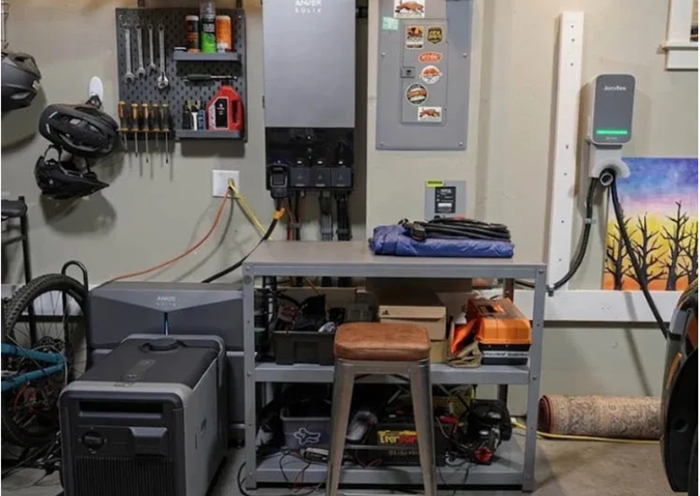
The hardware has to survive the years between outages. A unit that sits in a garage through cold winters and hot summers needs an enclosure that keeps dust and moisture out, and a battery that tolerates temperature swings. The Anker SOLIX E10 Whole-Home Backup is built for this with a NEMA Type 4 (IP66) enclosure and a five-year warranty, so the parts that are expensive to replace are covered. Durability is not visible on day one; it shows up in year five, when the unit still starts on the first press. Read the enclosure rating and the warranty together, because they describe the same promise from two directions. Both should be specific.
Convenient Operation
Plug and Play
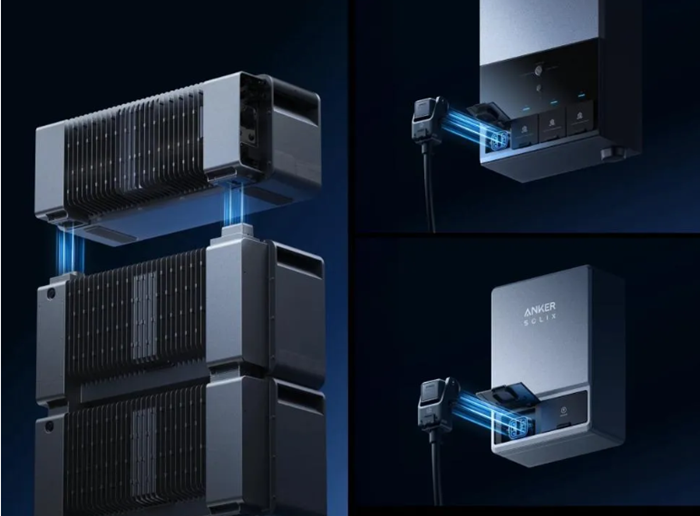
Convenience starts with setup. A solar generator arrives ready to use: charge it, plug in a device, and press the button. There is no fuel to mix, no oil to add, no choke to adjust, and no pull cord. A first-time user can be running a fridge within minutes of opening the box. That simplicity matters during an emergency, when the person setting it up may be tired, stressed, or unfamiliar with the equipment. A tool that requires a manual is a tool that waits. Keep the manual in the same cupboard, but expect to need it rarely. A unit that is intuitive on the first night is a unit that gets used on the second.
Low Maintenance
Maintenance is equally light. There is no oil change, no spark plug, no air filter, and no fuel system to clean. The routine is a charge every few months, a check of the vents, and an occasional look at the cables. A solar generator that is stored properly may need nothing else for years. Compare that with a fuel generator, which needs an exercise schedule and a service before the season, and the difference in ownership effort is obvious. Less maintenance means fewer reasons for the unit to fail when it is needed. A dust cover and a dry shelf do more for longevity than any annual service. That is the whole routine.
Conclusion
Clean, reliable, and convenient are the three experiences a solar generator offers, and each one solves a different problem. Clean energy lets the unit live indoors, reliable backup keeps the household running, and convenient operation means it works when no one has time to learn. The specifications explain how those experiences are delivered, but the experiences are why the product matters. Judged that way, a solar generator is less a gadget than a quiet piece of infrastructure that happens to fit in a closet. The three experiences reinforce one another: clean power makes the unit welcome indoors, reliability makes it dependable, and convenience makes it usable. That is a rare combination.