


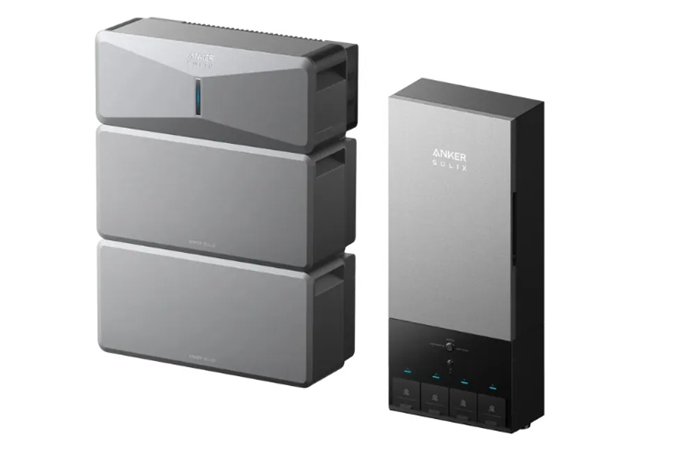
Household energy demand rarely stays constant throughout the year. Air conditioning may dominate summer bills, while heating and longer evenings increase electricity use in winter. Solar generation follows its own seasonal pattern, creating a timing gap between when homes produce electricity and when they need it. Solar storage helps bridge that gap by saving surplus daytime generation for later use. Its value depends on seasonal sunlight, household consumption, battery capacity, and how effectively a home manages its energy.
Why Seasonal Energy Patterns Create a Storage Opportunity
Summer Surplus Can Support Evening Demand
Long summer days often create a window for strong solar generation, especially when rooftop panels receive plenty of direct sunlight. However, household demand does not always peak during those productive hours. Families may return home in the evening, start cooking, run appliances, and switch on cooling systems just as solar output declines. A battery stores some of the electricity generated earlier and releases it when household demand rises. This shifts energy across hours rather than across seasons, but the daily benefit can accumulate throughout summer. For homes with substantial daytime solar production, solar energy storage can increase the amount of locally generated electricity consumed on-site instead of drawing power from the grid later.
Winter Changes Both Supply and Consumption
Winter creates a different balance. Shorter daylight hours and lower solar production may reduce the energy available to charge a battery, while lighting, heating equipment, and longer periods indoors can increase electricity consumption. A battery does not create additional energy, so its contribution depends on how much electricity the solar array generates and how much the household needs. Homeowners should compare monthly generation with actual consumption rather than assume that summer charging patterns will continue through winter. Reviewing historical utility bills and solar production records reveals when the largest gaps occur. That information helps determine whether storage should prioritize evening demand, essential household circuits, or backup capacity during periods of limited sunlight.
Shoulder Seasons Offer a Different Advantage
Spring and autumn often bring moderate temperatures and changing daylight hours. Heating and cooling demand may fall, leaving more opportunities for solar generation to exceed immediate household needs. These periods can support battery charging without the same daily demand patterns seen during summer or winter, although local weather and household routines still matter. Homeowners should examine several months of data to identify recurring surplus periods and changes in consumption. A storage system sized around one unusually sunny month may not match the rest of the year. Seasonal planning works best when the household evaluates typical production, actual electricity use, and its preferred reserve level together.
How to Match Storage Capacity and Controls to Seasonal Needs
Capacity Should Reflect More Than One Peak Month
Battery capacity determines how much stored electricity a home can carry into the evening or through a short period of limited solar production. The right size depends on daily energy use, desired backup duration, and the amount of surplus available to charge the battery. A household that mainly wants to shift afternoon solar into evening use has a different requirement from one that also wants to support essential loads during an outage. Anker SOLIX E10 Whole-Home Backup offers a modular capacity range from 6 kWh to 90 kWh across supported configurations. One E10 power module supports up to 30 kWh, while three E10 units with a Power Dock support up to 90 kWh. This expandability allows capacity planning to reflect household needs rather than a single seasonal snapshot.
Charging Priorities Shape the Value of Stored Energy
Storage controls influence when a battery charges and when it supplies electricity. A self-consumption strategy prioritizes using stored solar energy at home, while time-of-use (TOU) operation can align charging and discharging with electricity prices where the applicable configuration and tariff support it. Seasonal changes may justify adjusting these priorities. During sunny months, a homeowner may focus on storing surplus generation for evening use. Before a period of higher demand or forecast poor solar conditions, preserving a suitable backup reserve may take greater importance. Anker SOLIX E10 supports self-consumption and TOU modes. The practical result depends on local tariffs, system settings, solar production, and the household’s energy goals rather than the mode name alone.
Backup Planning Must Account for Extended Low-Sun Periods
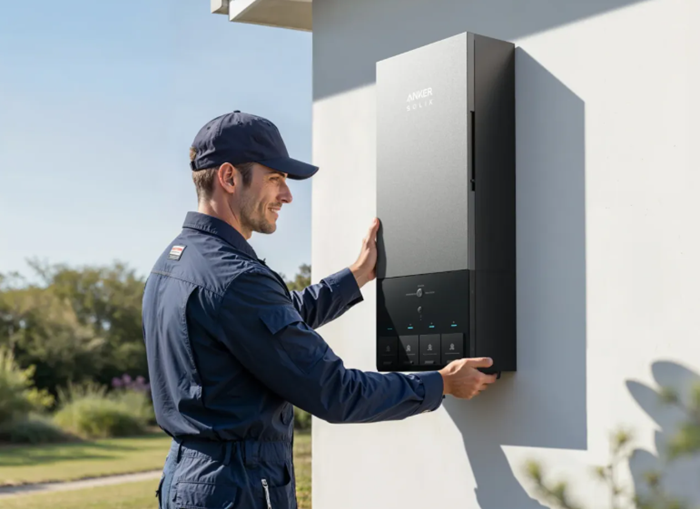
Seasonal balancing also involves deciding how the household will maintain essential power when solar production stays low for several days. Battery capacity provides a finite energy reserve, so homeowners should estimate the daily consumption of priority loads and calculate how long the stored energy could support them. Solar input can replenish the battery when conditions allow. The Anker SOLIX E10 accepts up to 9 kW of solar input per unit, with supported configurations reaching 27 kW across three units with a Power Dock. It can also work with an existing solar system through a compatible current transformer (CT) setup. For longer interruptions, compatible Smart Generator charging adds another charging source. These options create flexibility, but actual endurance still depends on energy consumption, available sunlight, and charging conditions.
Conclusion
Solar storage can make seasonal energy use more flexible by moving surplus generation into hours when household demand is higher. Its effectiveness depends on the relationship between solar production, consumption patterns, battery capacity, electricity tariffs, and backup priorities. Homeowners should review a full year of energy data before choosing a system or setting its controls. Modular capacity, solar charging, and flexible operating modes can support changing household needs, while realistic expectations about winter generation keep planning grounded in actual energy availability.